
Village
Designed to Regenerate
Exploring how homes, land and community can strengthen one another.
Bowden Pillars Future is working toward a new kind of village - one shaped as part of a living land system rather than placed upon it.
Around 50 homes are being carefully designed alongside restored habitats and regenerative farmland. The aim is simple, though not easy: to live well while increasing biodiversity, storing carbon, growing food and nurturing strong community life.
We are currently in the pre-planning and design stage, testing how these principles translate into real places and long-term commitments.
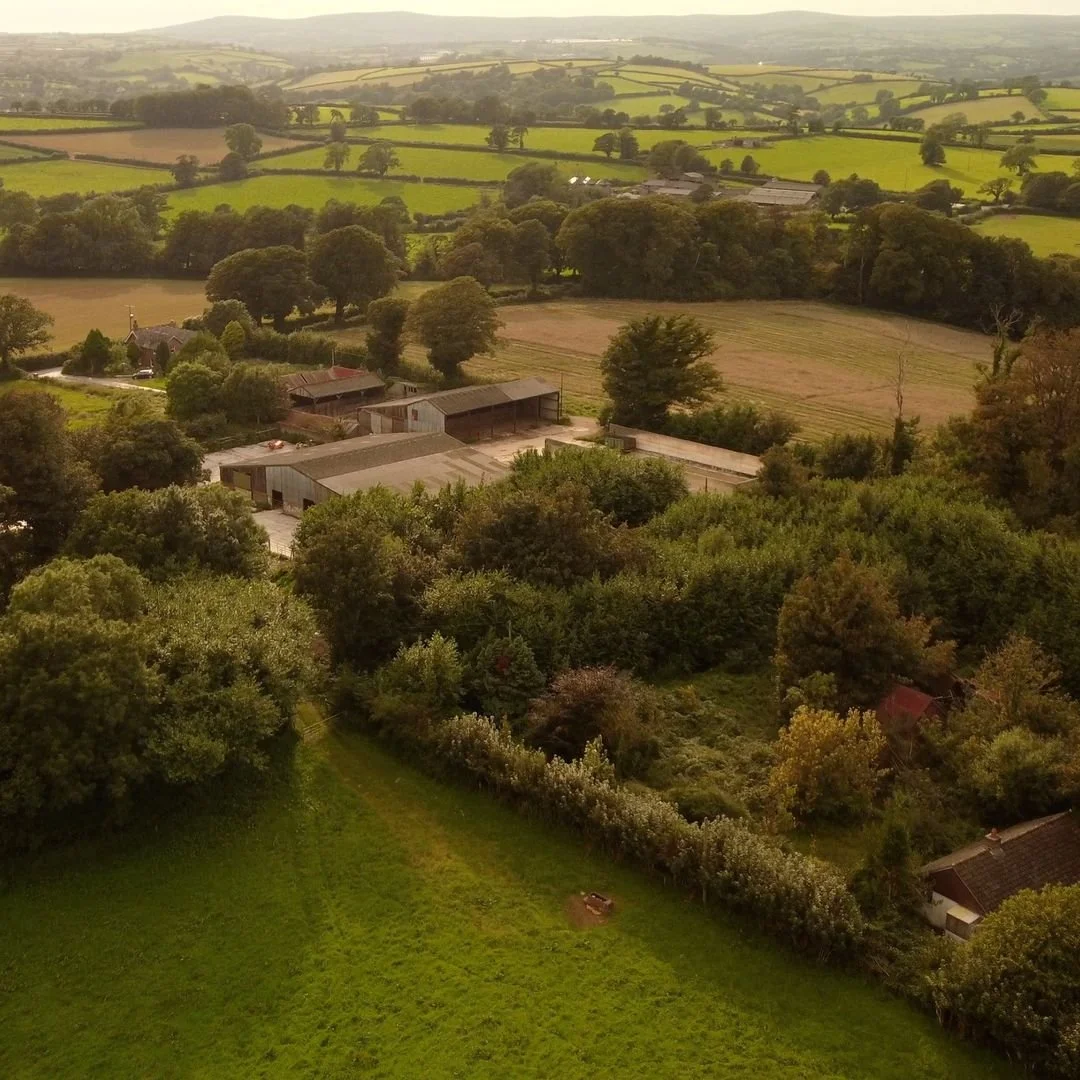
Photo shows derelict dairy farm buildings where we imagine building the Village
Living as Part of a Whole.
For decades, “sustainable” development aimed to reduce harm. We now know that causing less harm is not enough.
A Regenerative Village asks a different question:
How can settlement actively improve the health of the land it depends on?
This means thinking in systems.
Homes, water, soil, energy, food, mobility and governance are designed together - not as separate layers, but as interdependent parts of a whole.
When combined they create a regenerative response to the multiple challenges we now face, not least how to lessen and live with climate change.
The Village is one strand of Bowden Pillars Future, alongside Nature Restoration and Regenerative Farmland. Each strengthens the others.
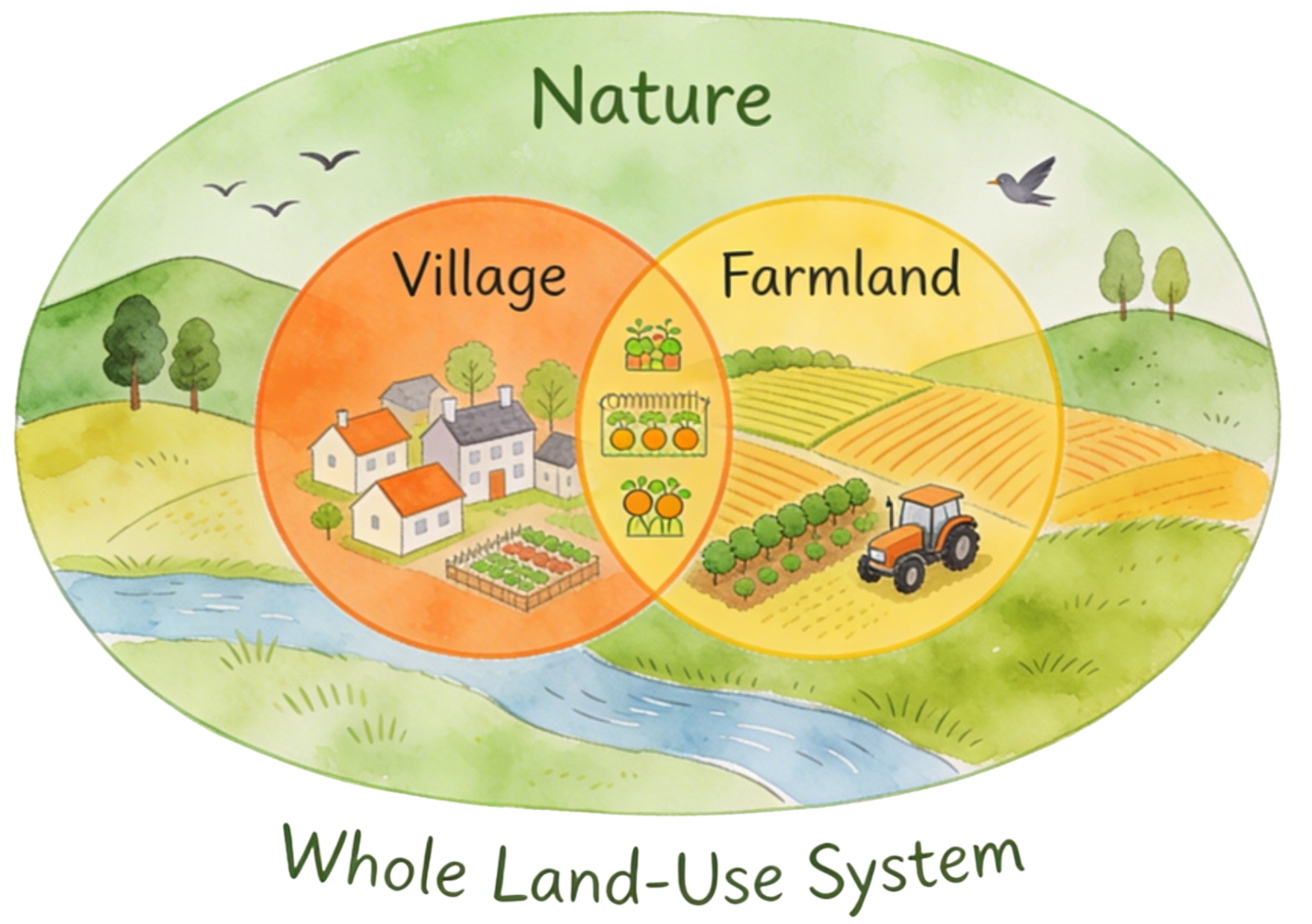
Systems that Support Life
Systems that Support Life
Energy
100% renewable energy generated on site, super-efficient buildings to minimise use, excess energy exported to the local area.
Food
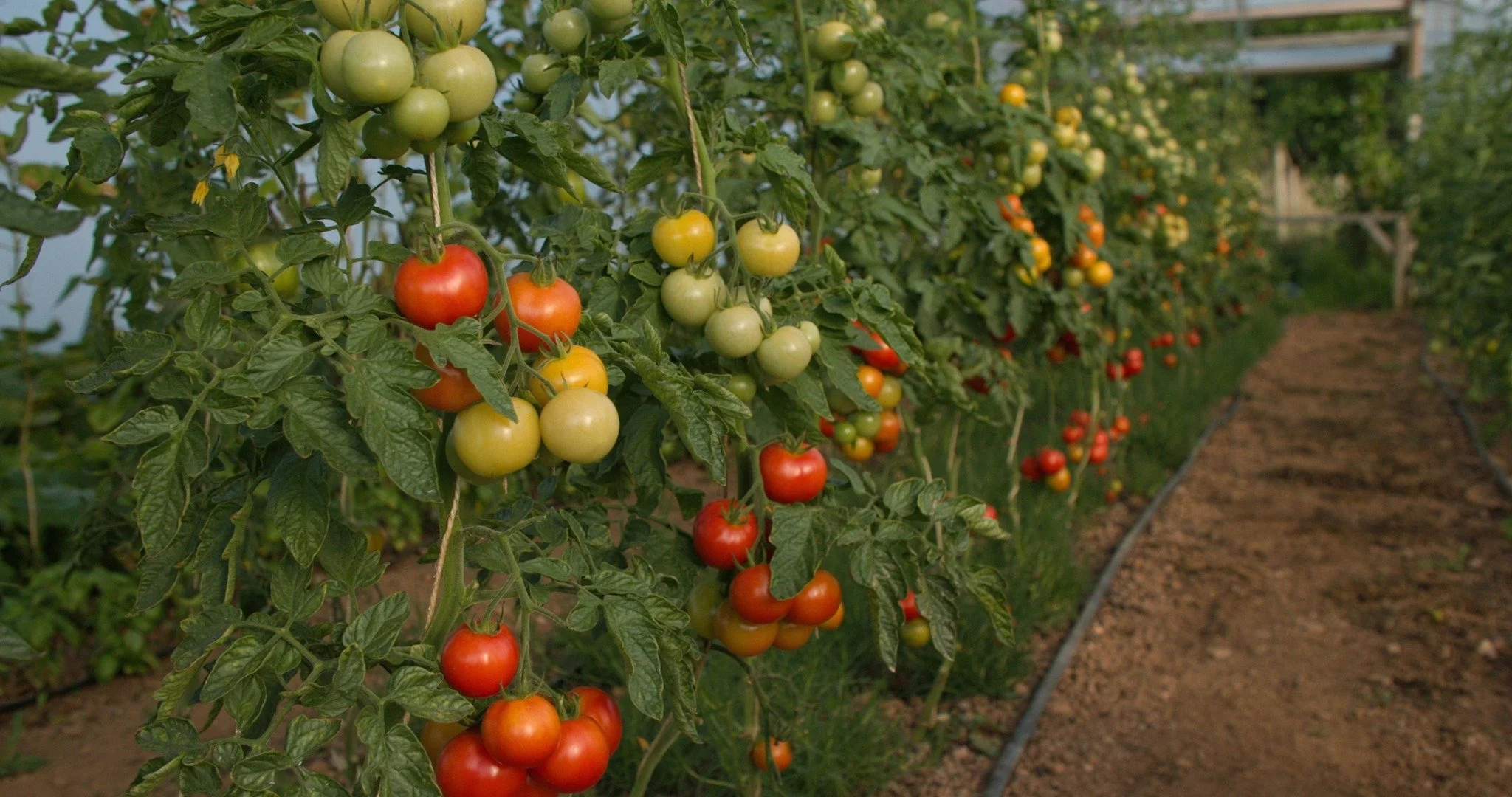
A majority of food grown on site, through a combination of farm enterprises and shared growing spaces.
Water
Landscape-led drainage and ecological treatment systems that enhance natural systems
Nature
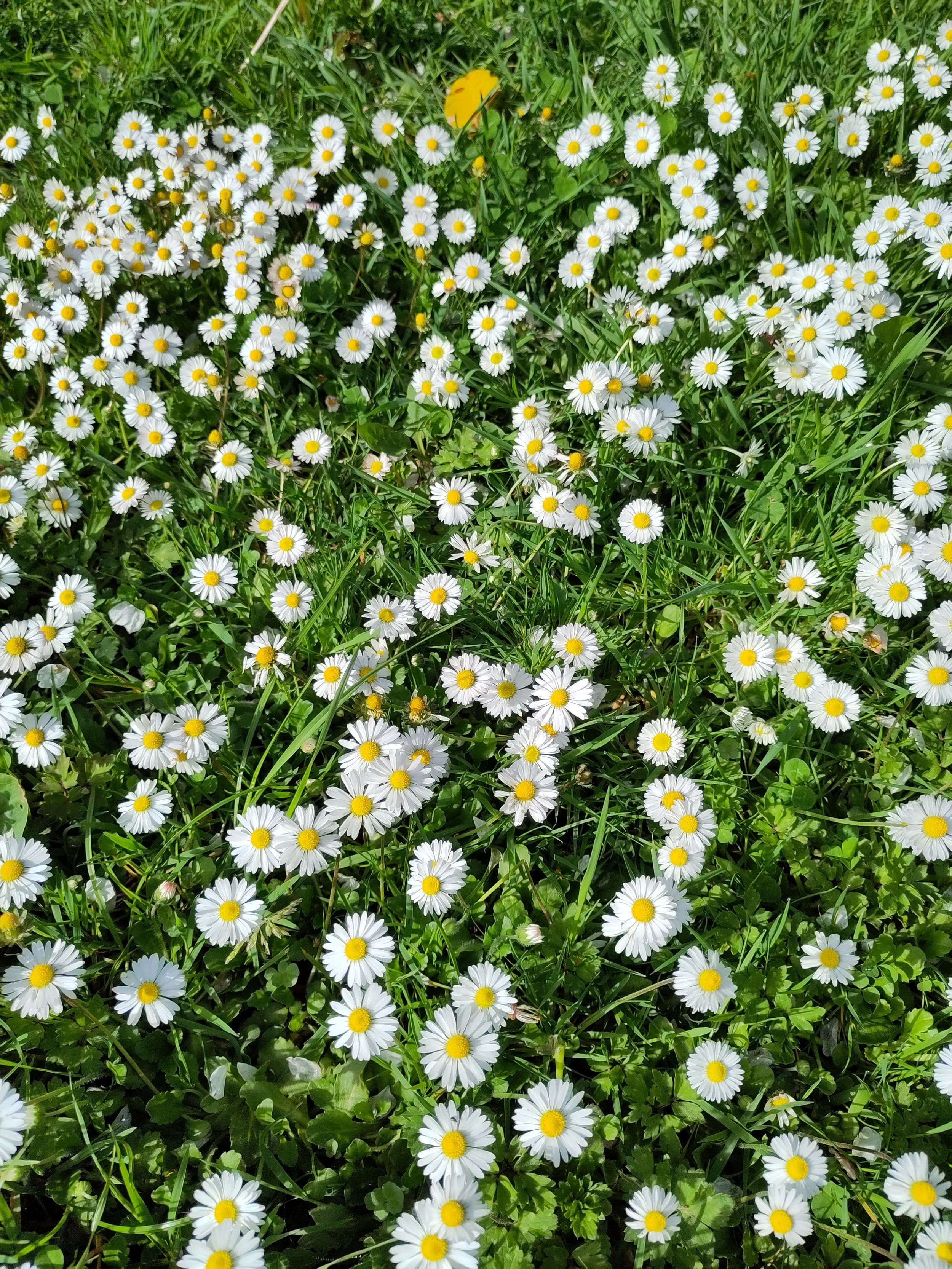
Habitats restored and extended, biodiversity monitored and enhanced over time.
Community
Shared spaces, collective governance, and agreements that cultivate trust and resilience.



Character & Intention
What is being shaped here is not just housing, but a pattern of relationships: between neighbours, between households and nature, and between this place and the wider community.
The village will be a mix of housing types and living spaces. We’re learning about what people are looking for - private sufficiency vs public luxury, layouts that support connection, shared ecological repair over time.
How many homes will there be?
We are currently exploring a village of around 50 homes, although the final number will ultimately be shaped by the capacity of the site, the housing needs we aim to meet, and how homes fit within the wider design of the land.
Our intention is to create a settlement that is small enough to remain relational and neighbourly, yet large enough for shared spaces, community life and practical systems to thrive.
We are currently in the design and pre-planning stage.
Surveys are being completed. Subconsultants are appointed. Masterplanning is underway. We are working closely with the Local Authority and aiming for submission in Autumn 2026.
Design is evolving through dialogue with consultants, planners, and the wider community.
Transparency matters to us. You can follow the journey through our planning journal.
In Development
More Than Buildings
Physical design alone does not create a village.
We are developing Founding Agreements to guide how we relate to the land, to one another, and to future generations. These include commitments to consent, shared responsibility, resource mindfulness and ongoing learning.
The Village Circle is working on structures that will support long-term resilience and fair governance.
If This Resonates
Follow Us!
Meet the Village Circle
-

James Shorten
-
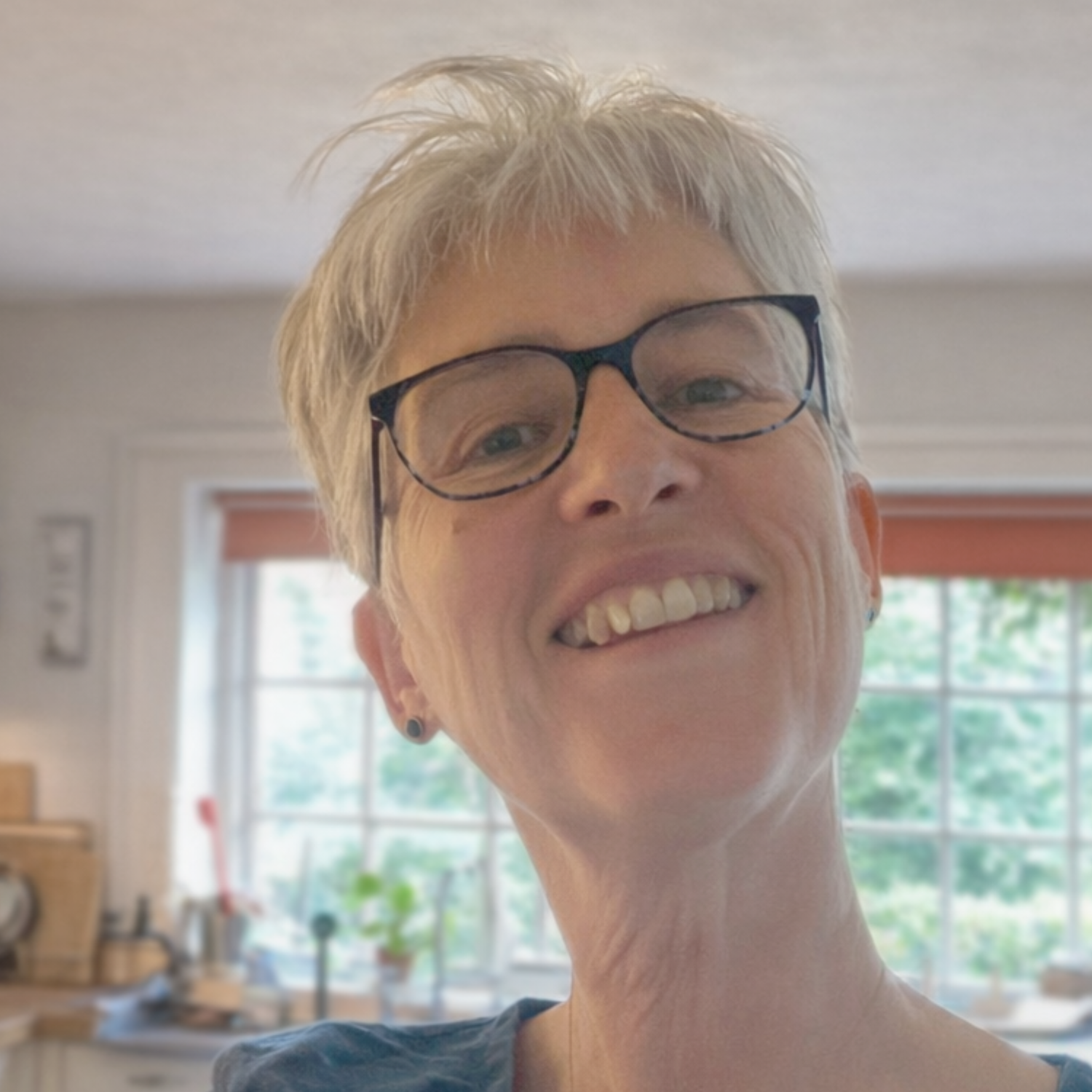
Sally Shell
-
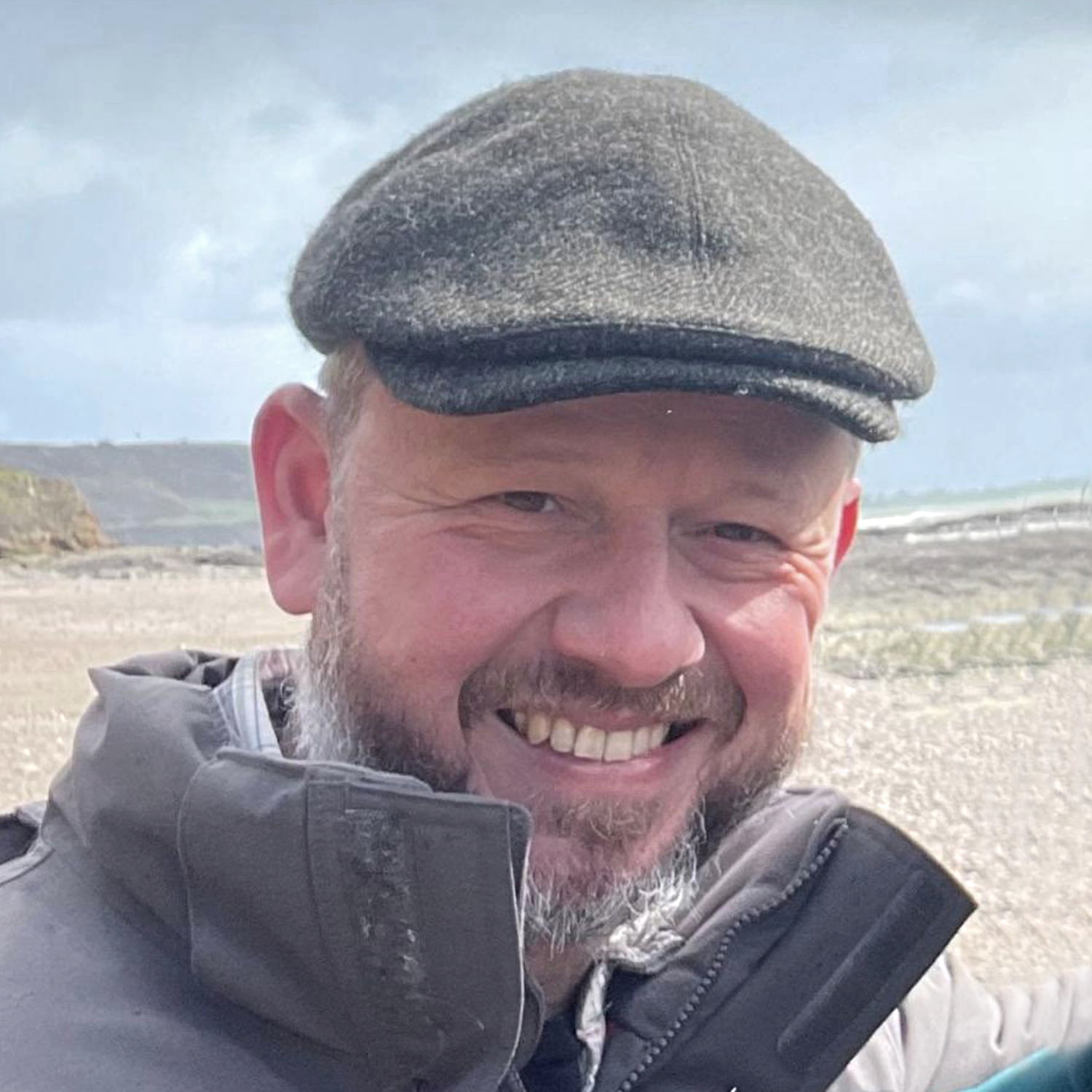
Jerome Tait
-

Hannah Walker
-
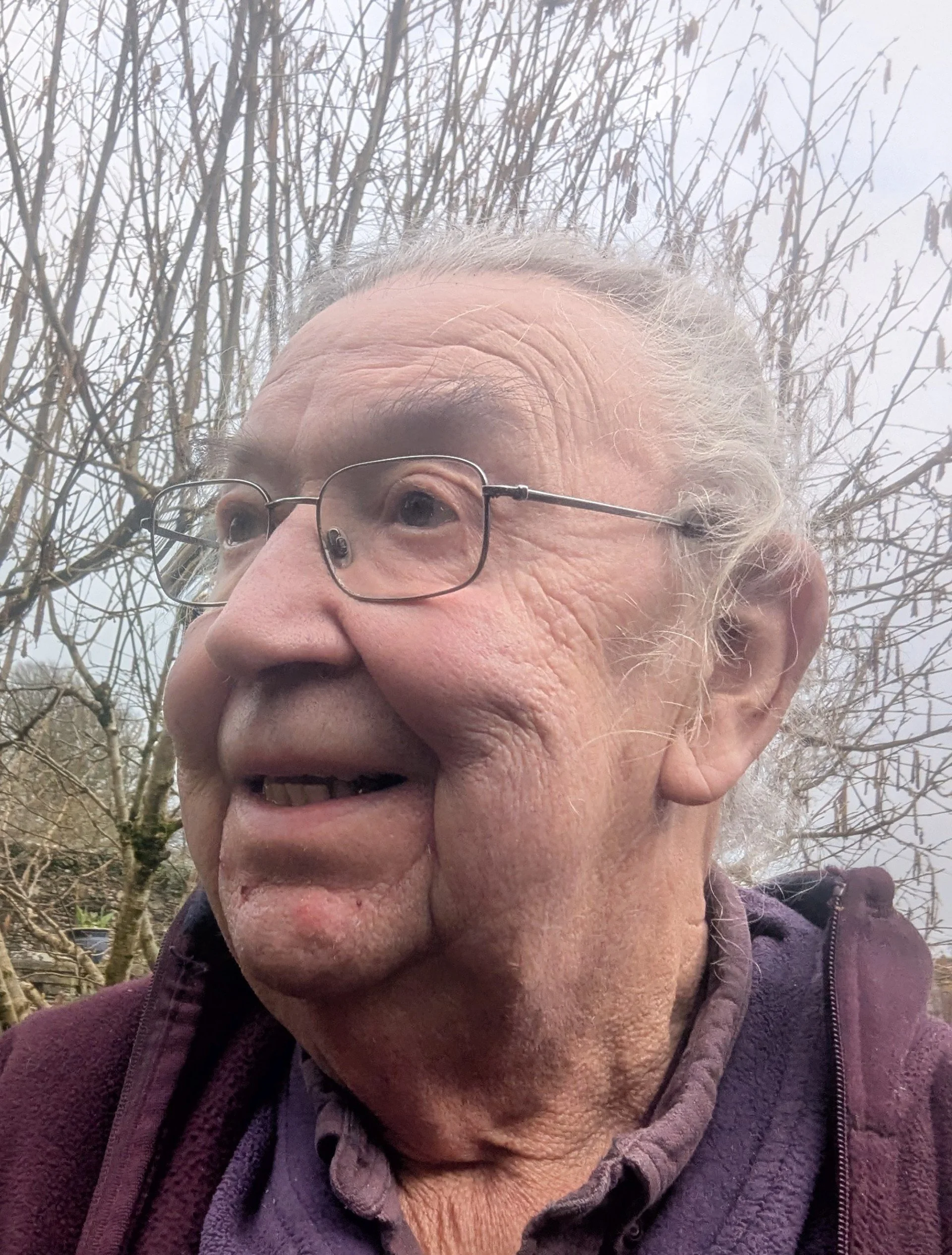
Ian Hague
-

Chloe Nangalia
-

Aleksandra Sliwa
-
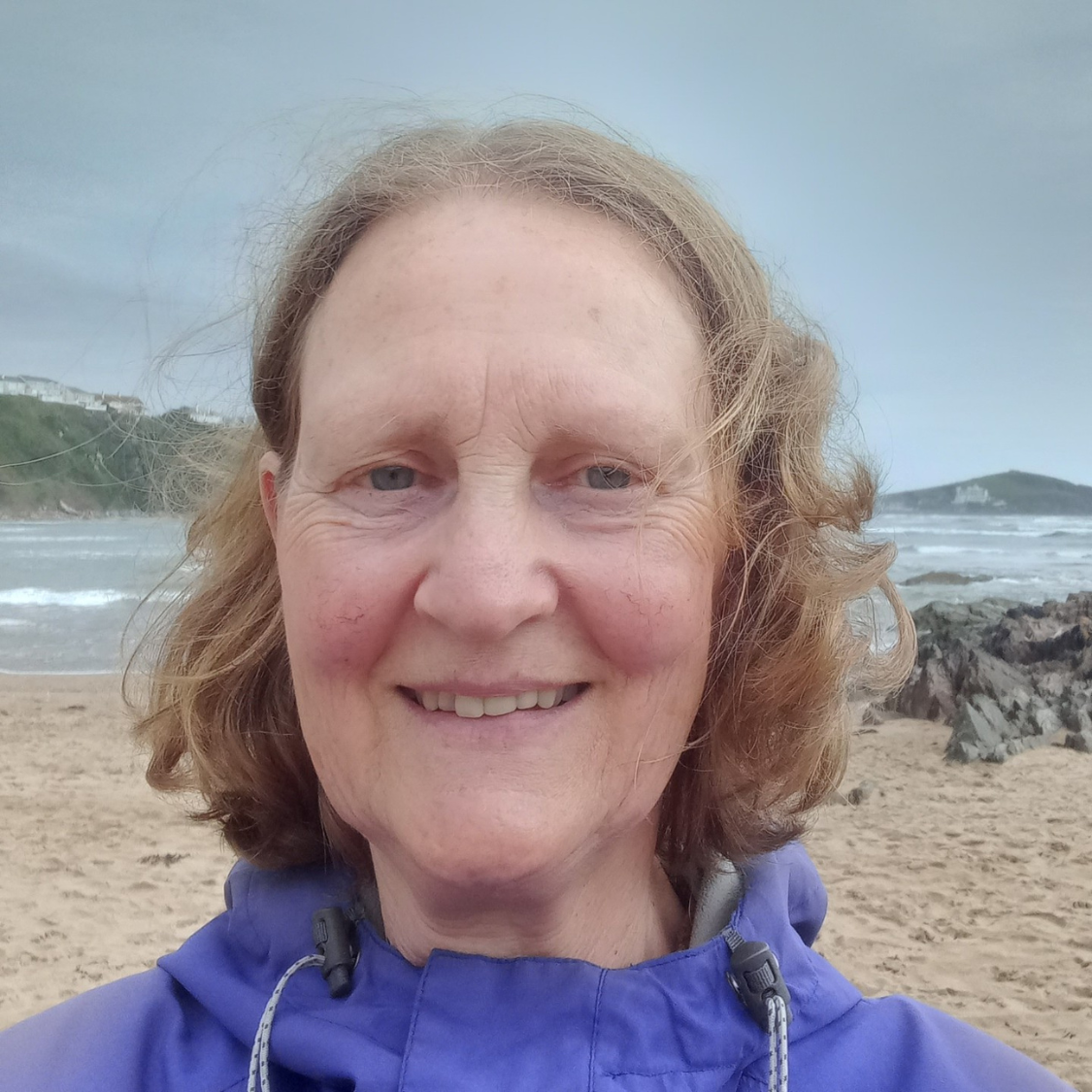
Alison Jardine